
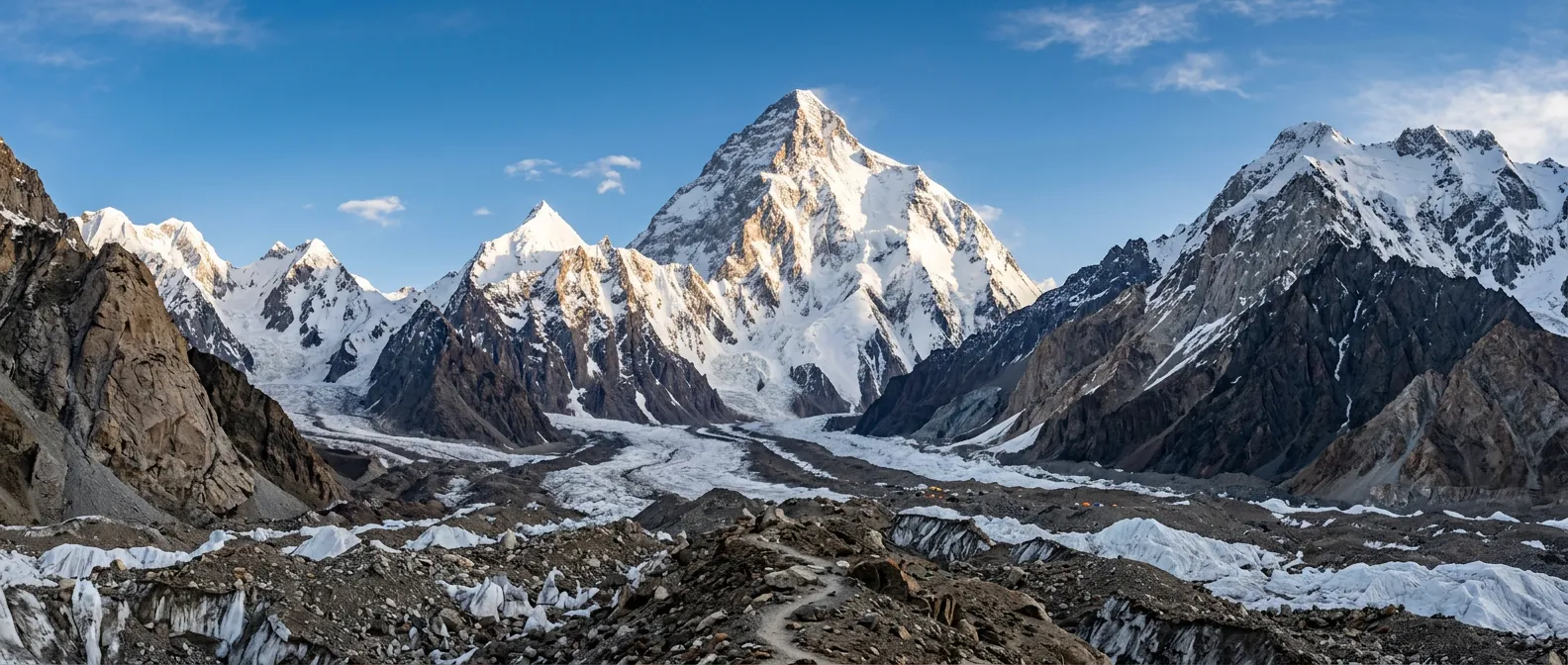
Pakistan attracts visitors with its ancient civilisations, towering mountain ranges, and vibrant cities. However, several areas of the country face ongoing security challenges that travellers must understand before departure. This comprehensive guide covers current travel advisories, restricted zones, safety protocols, and practical steps to help you prepare for a safe journey to Pakistan.
Current Travel Advisory Levels for Pakistan
Several governments issue formal travel advisories for Pakistan, each with their own rating system. Here is how the major English-speaking countries currently assess the security situation:
| Country | Advisory Level | Agency |
|---|---|---|
| United States | Level 3 – Reconsider Travel | U.S. Department of State |
| United Kingdom | Varies by region (see below) | FCDO |
| Canada | Exercise a high degree of caution | Government of Canada |
| Australia | Exercise a high degree of caution | Smartraveller |
| New Zealand | Exercise increased caution | SafeTravel |
These advisory levels reflect a nuanced picture. Pakistan is not uniformly dangerous, but specific regions carry significantly elevated risk. Most major cities – including Islamabad, Lahore, and Karachi – are considered broadly safe for visitors who take reasonable precautions, while certain provinces and border areas remain off-limits.
UK FCDO Advice: Areas Where Travel Is Advised Against
The UK Foreign, Commonwealth & Development Office (FCDO) provides the most detailed regional breakdown of any government advisory. Understanding these zones is essential for itinerary planning.
Areas Where FCDO Advises Against All Travel
Pakistan-Afghanistan Border – All travel is advised against within 10 miles of the border between Pakistan and Afghanistan.
Khyber Pakhtunkhwa Province – FCDO advises against all travel to the following districts:
– Bajaur, Bannu, Buner, Charsadda, Dera Ismail Khan, Hangu, Karak
– Khyber, Kohat, Kurram, Lakki Marwat
– Upper Dir, Lower Dir, Mohmand, Orakzai
– Peshawar (including the city), Swat, Tank
– North Waziristan, Upper and Lower South Waziristan
– The Karakoram Highway between Mansehra and Chilas
– The N45 Highway from north of Mardan ring road to Chitral City
Balochistan Province – FCDO advises against all travel to the entire province.
Pakistan-administered Kashmir – FCDO advises against all travel within 10 miles of the Line of Control.
Areas Where FCDO Advises Against All But Essential Travel
- Khyber Pakhtunkhwa: Malakand, Mardan, Nowshera, Shangla, Swabi districts
- Pakistan-India border: Within 5 miles of the international border (exceptions for the Grand Trunk highway via Wagah and the Kartarpur Corridor)
- Azad Jammu and Kashmir (beyond the 10-mile Line of Control zone)
- Sindh Province: All areas north of and including the city of Nawabshah
- Punjab Province: Dera Ghazi Khan
What This Means for Tourists
Popular tourist destinations such as Islamabad, Lahore, Karachi, the Karakoram Highway south of Mansehra, Gilgit-Baltistan (excluding the Karakoram Highway danger zone), and Hunza Valley are not covered by travel-against advisories. However, road travel through certain transit zones may pass through restricted areas, so route planning is critical.
US State Department Advisory
The US Department of State assigns Pakistan a Level 3: Reconsider Travel advisory. This level sits between “Exercise Increased Caution” (Level 2) and “Do Not Travel” (Level 4). Key concerns cited by the State Department include:
- Terrorism and militant activity, particularly in Khyber Pakhtunkhwa and Balochistan
- Armed conflict risk near the Afghanistan and India borders
- Kidnapping threats, especially for foreign nationals in Balochistan and the former FATA regions
- Limited consular assistance in certain areas
The US Embassy in Islamabad and the Consulate General in Karachi provide services to American citizens, but consular access to certain provinces is restricted.
Terrorism Risk in Pakistan
Pakistan has experienced significant terrorism over the past two decades, and while the frequency and scale of attacks have decreased since military operations in the tribal areas, the threat has not disappeared. The most recent wave of attacks has concentrated in:
- Khyber Pakhtunkhwa – particularly the former Federally Administered Tribal Areas (FATA), now merged with KPK
- Balochistan – separatist and sectarian militant groups remain active
- Karachi – periodic targeted attacks and gang-related violence
Security forces maintain a heavy presence in major cities, and checkpoints are common, especially on highways connecting cities. This presence adds a layer of security but also means travellers should always carry identification and expect delays.
Precautions Against Terrorism
- Avoid large public gatherings, political rallies, and religious processions
- Stay away from government buildings and military installations
- Monitor local media for security alerts
- Register with your embassy or consulate upon arrival
- Keep emergency contact numbers readily available
- Vary your daily routes and routines if staying long-term
Demonstrations and Civil Unrest
Protests and demonstrations occur regularly in Pakistan, sometimes with little advance notice. Recent demonstrations in Pakistan-administered Kashmir (Azad Jammu and Kashmir) have led to road closures, suspension of mobile and internet services, and clashes between protestors and security forces.
Political gatherings are common in urban centres, particularly Islamabad, Lahore, and Karachi. These events can disrupt traffic and public transport for hours or even days. The FCDO advises travellers to:
- Avoid all protests and demonstrations
- Follow the advice of local authorities
- Plan ahead and allow extra time for travel
- Monitor local and international media for updates
Regional Tensions
Geopolitical tensions in the broader region can affect Pakistan travel plans. In 2025, regional tensions resulted in sustained airspace closures that caused airlines to suspend flights, and domestic travel was also restricted. Ongoing regional tensions continue to pose security and economic risks, potentially affecting:
- Air travel – Flight cancellations and airspace closures remain a possibility
- Fuel availability – Global supply disruptions may affect transport within Pakistan
- Visa processing – Processing times may be extended during periods of heightened tension
Travellers should check with their airline before travelling and maintain flexible booking arrangements where possible.
Restricted Areas and No Objection Certificates (NOC)
Certain regions of Pakistan require a No Objection Certificate (NOC) from the Ministry of Interior or provincial authorities before foreign nationals can visit. These include:
- Parts of Gilgit-Baltistan near the Line of Control
- Chitral and parts of Upper Dir (when security deteriorates)
- Certain areas of Balochistan
- Former FATA districts in Khyber Pakhtunkhwa
NOCs are typically arranged through tour operators or the relevant provincial home department. Processing times vary from same-day to several weeks depending on the area and current security conditions. Travellers should never enter restricted areas without proper documentation – penalties include detention, deportation, and future visa bans.
Health Advisories for Pakistan
Vaccinations
Consult a travel health clinic at least 6-8 weeks before departure. Recommended or required vaccinations for Pakistan include:
- Routine vaccinations – Ensure measles-mumps-rubella (MMR), diphtheria-tetanus-pertussis, varicella, polio, and annual flu vaccines are up to date
- Hepatitis A – Recommended for all travellers
- Hepatitis B – Recommended for travellers who may have intimate contact, medical procedures, or extended stays
- Typhoid – Recommended, especially for adventurous eaters or those visiting smaller cities and rural areas
- Rabies – Recommended for travellers involved in outdoor activities or visiting remote areas
- Japanese Encephalitis – May be recommended for long-term travellers or those visiting rural areas
- Polio – Pakistan is one of the last countries where wild poliovirus circulates. A polio booster may be recommended for adult travellers
Water and Food Safety
Tap water in Pakistan is not safe to drink. Drink only bottled or purified water, and avoid ice in drinks unless you are certain it is made from purified water. Street food, while popular, carries a higher risk of foodborne illness. Eat thoroughly cooked food served hot, and peel fruits yourself.
Medical Facilities
Major cities have private hospitals with reasonable standards, but medical facilities in rural areas are limited. Travel insurance with medical evacuation coverage is strongly recommended. Pharmacies are widely available but may stock medications of variable quality – bring essential prescription medications from home with proper documentation.
Entry Requirements and Visa Considerations
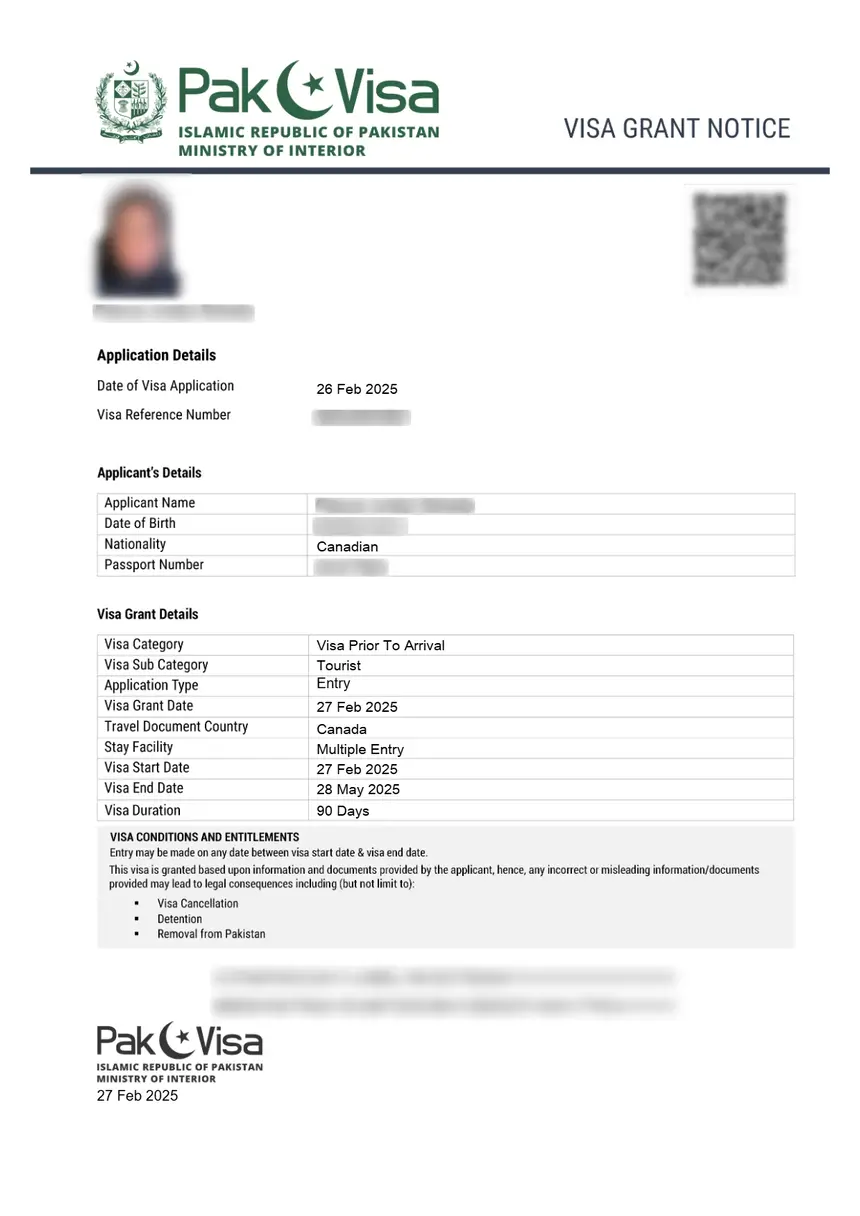
Most foreign nationals require a visa to enter Pakistan. The eVisa system, managed by NADRA (National Database and Registration Authority), is the primary application route for tourists and business visitors. Key points:
- eVisa portal: visa.nadra.gov.pk
- Processing time: 7-10 business days (as of January 2026, the Visa Prior to Arrival has been suspended)
- Visa categories: 11 consolidated categories including tourist, business, work, student, and religious pilgrimage
- 96 Business Visa List (BVL) countries receive expedited business visa processing in 24 working hours
Visa-Exempt Countries
Nationals of the following countries can enter Pakistan without a visa for up to 90 days: Bahrain, Kuwait, Oman, Qatar, Saudi Arabia, and the United Arab Emirates. Citizens of Maldives and Nepal (30 days) also enjoy visa-free entry.
Special Restrictions
Indian passport holders face unique restrictions – tourist visas are not issued, and all applications require Ministry of Interior clearance. Entry is limited to designated cities and routes.
Armenian passport holders are refused entry to Pakistan.
For detailed visa requirements by nationality, visit our Pakistan Visa Requirements and Pakistan eVisa Complete Guide pages.
Entry and Exit Points
Pakistan has 23 designated entry and exit points for foreign nationals:
| Type | Count | Key Points |
|---|---|---|
| Airports | 11 | Islamabad (ISB), Karachi (KHI), Lahore (LHE), Peshawar (PEW), Quetta (UET), Sialkot (SKT), Multan (MUX), Faisalabad (LYP), Gwadar (GWD), Turbat (TUK), Dera Ghazi Khan (DEA) |
| Land crossings | 7 | Wagah (India), Torkham (Afghanistan), Taftan (Iran), Khunjerab (China), Sost (China), Ghulam Khan (Afghanistan), Chaman (Afghanistan) |
| Sea ports | 4 | Karachi Port, Port Qasim, Gwadar Port, Pasni |
| Railway | 1 | Samjhota Express (India – currently suspended) |
Travellers must enter and exit through designated ports. Attempting to cross at unauthorised points is illegal and dangerous.
Overstay Rules and Penalties
Pakistan has a structured overstay policy:
| Overstay Period | Penalty |
|---|---|
| Up to 2 weeks | No surcharge (grace period) |
| 2 weeks to 2 months | USD 50 surcharge |
| 2 to 6 months | USD 200 surcharge |
| Over 6 months | USD 400 surcharge + potential detention and deportation |
Overstaying can also result in future visa denials and being barred from re-entry. Always check your visa validity and apply for extensions before your stay expires.
Safety Tips for Travellers in Pakistan
Road Travel
Road conditions vary enormously. The motorways connecting major cities (M1 Islamabad-Peshawar, M2 Islamabad-Lahore, M3 Lahore-Multan, M5 Multan-Sukkur, M9 Karachi-Hyderabad) are generally well-maintained. However, secondary roads, especially in mountainous and rural areas, can be narrow, poorly surfaced, and dangerous.
- Avoid night driving, especially outside major cities
- Use seatbelts at all times
- Hire experienced local drivers for mountain roads
- Keep vehicle doors locked and windows up in urban areas
Personal Security
- Dress conservatively, particularly women – loose-fitting clothing that covers arms and legs is advisable in most areas
- Women travellers may face unwanted attention and should consider travelling with a companion
- Keep copies of your passport, visa, and important documents in a separate location from the originals
- Avoid displaying expensive jewellery, electronics, or large amounts of cash
- Use registered taxis or ride-hailing apps (Careem, InDrive) rather than hailing vehicles on the street
Communication
- Purchase a local SIM card (Jazz, Zong, Telenor, Ufone) for affordable data and calls
- Mobile coverage is extensive in cities but patchy in mountainous and remote regions
- Internet shutdowns can occur during security situations or political unrest
Frequently Asked Questions
Is Pakistan safe for tourists in 2026?
Pakistan’s major cities and popular tourist areas such as Hunza, Skardu, and Islamabad are generally safe for tourists who take normal precautions. However, areas near the Afghan and Indian borders, Balochistan, and parts of Khyber Pakhtunkhwa carry elevated risks. Always check the latest government advisories before travelling.
Do I need a visa to travel to Pakistan?
Most foreign nationals need a visa. The eVisa system at visa.nadra.gov.pk is the standard application route, with processing taking 7-10 business days. Citizens of GCC countries (Bahrain, Kuwait, Oman, Qatar, Saudi Arabia, UAE), Maldives, and Nepal are visa-exempt. See our Pakistan eVisa guide for step-by-step instructions.
Can I travel to the Karakoram Highway?
The Karakoram Highway is open for travel south of Mansehra through to Gilgit-Baltistan and the Chinese border at Khunjerab Pass, but the section between Mansehra and Chilas passes through areas where the UK FCDO advises against all travel. Check current conditions and consider the alternative route via the Kaghan Valley or air travel to Gilgit.
What should I do if there is a security incident?
Stay indoors, follow local authority instructions, monitor local media, and contact your embassy or consulate. Keep emergency supplies (food, water, medication) available. Register with your government’s traveller registration programme before departure.
Is travel insurance required for Pakistan?
Travel insurance is not legally required but is strongly recommended. Ensure your policy covers medical evacuation, as healthcare facilities outside major cities are limited. Some policies exclude coverage for travel to areas with government advisories – read your policy carefully.
Can I use my credit card in Pakistan?
Major hotels, restaurants, and shops in cities accept credit cards, but Pakistan remains a predominantly cash-based society. ATMs are widely available in urban areas. Carry sufficient Pakistani Rupees for rural areas and smaller establishments.
What is the best time to visit Pakistan?
The best time to visit depends on the region. Northern areas (Hunza, Skardu, Gilgit) are best from May to October. Southern Pakistan (Karachi, Sindh) is most pleasant from November to February. The monsoon season (July-September) brings heavy rains and potential flooding, especially in Sindh and Punjab.
Are there any areas completely off-limits to tourists?
Yes. The FCDO advises against all travel to Balochistan, the Pakistan-Afghanistan border region, large parts of Khyber Pakhtunkhwa, and areas within 10 miles of the Line of Control in Kashmir. Indian passport holders are restricted to specific cities regardless of visa type.
Summary
Pakistan is a country of extraordinary cultural richness and natural beauty that rewards visitors who plan carefully. The key to a safe trip is understanding which areas are safe to visit, respecting regional restrictions, maintaining valid documentation, and staying informed about evolving security conditions. Check your government’s travel advisory immediately before departure, ensure your visa and travel insurance are in order, and consider engaging a reputable local tour operator for travel outside major cities.
This article is for informational purposes only and does not constitute legal or official travel advice. Always consult your government’s official travel advisory and the Pakistani embassy or consulate in your country for the most current information.