

Filipino citizens need a visa to enter Pakistan. The most convenient option is the Pakistan eVisa, which can be applied for entirely online through the NADRA portal. This guide covers every step – from eligibility and fees to application process, entry points, and frequently asked questions – so Philippine passport holders can plan their trip with confidence.
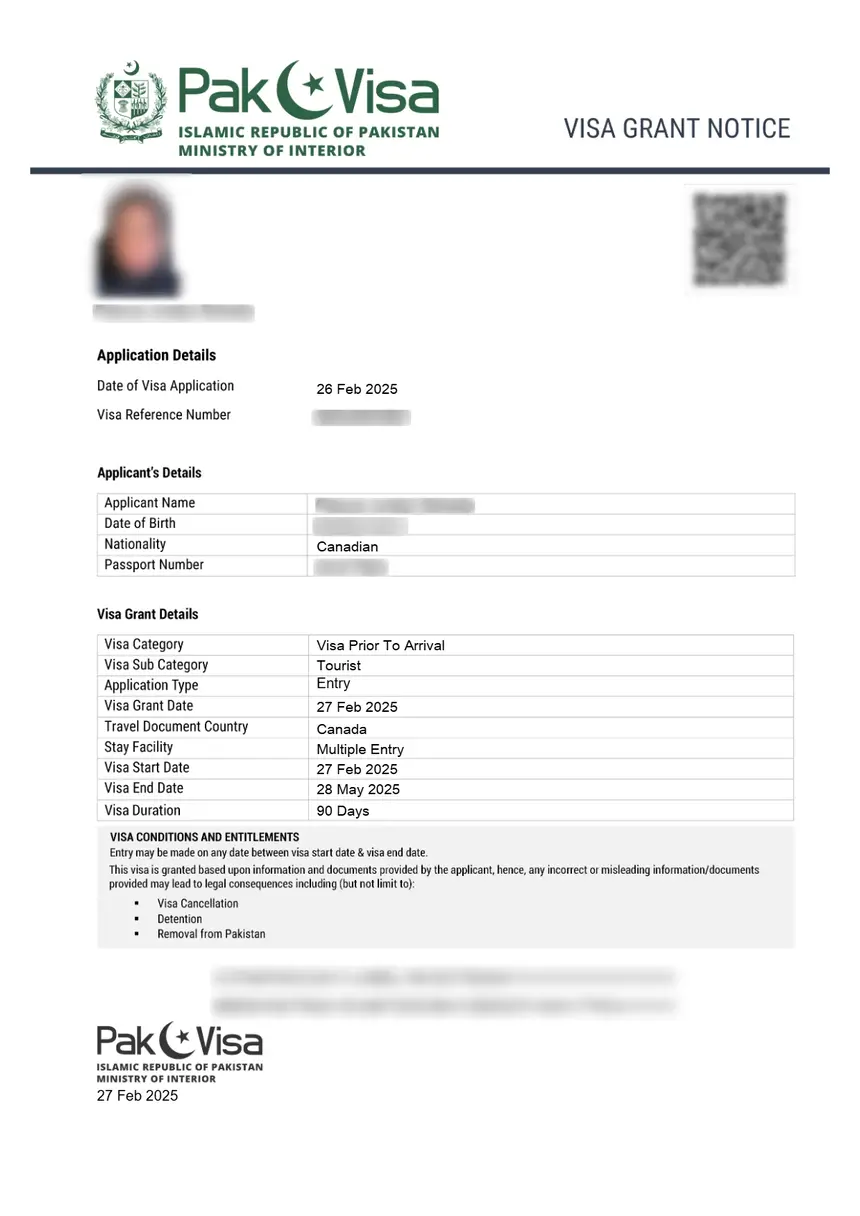
Do Filipino Citizens Need a Visa for Pakistan?
Yes. Philippine passport holders are not on Pakistan’s visa-exempt list. Filipino citizens must obtain a visa before traveling to Pakistan for any purpose – tourism, business, family visits, or study.
Since January 1, 2026, Pakistan suspended its free Visa Prior to Arrival (VPA) program. All visa applications from Filipino citizens must now go through the Pakistan Online Visa System at visa.nadra.gov.pk. There is no Visa on Arrival option available.
The two main pathways for Filipino travelers are:
- eVisa (recommended): Apply online, receive an Electronic Travel Authorization (ETA) by email, and carry a printed copy for entry.
- Embassy/Consulate application: For specific visa categories not covered by the eVisa system (work, study, diplomatic).
How to Apply for a Pakistan eVisa as a Filipino Citizen
Step-by-Step Application Process
- Visit the official portal: Go to visa.nadra.gov.pk and create an account. You will need a Google account for two-factor authentication (2FAS).
- Select your visa category: Choose “Tourist Visa” for leisure travel, “Family Visit Visa” to visit relatives, or “Business Visa” for business activities.
- Fill in personal details: Enter your full name, date of birth, nationality (Philippines), and passport information exactly as they appear on your passport.
- Upload required documents: Submit a scanned copy of your passport bio page, a recent passport-sized photograph, and supporting documents (hotel booking, flight itinerary, or invitation letter).
- Pay the visa fee: Fees are paid online and vary by nationality and duration. Filipino citizens should check the current fee at visa.nadra.gov.pk/fee-structure.
- Submit the application: Review all entered information carefully before submission. Errors or incomplete forms are the most common reason for rejection.
- Wait for processing: Government processing typically takes 7 to 10 business days. During peak travel seasons or if additional security checks are required, it may take longer.
- Receive your ETA: Once approved, an Electronic Travel Authorization (ETA) is sent to your registered email address.
- Print the ETA: You must carry a printed copy of your ETA. Digital copies on phones or tablets are not accepted at Pakistani immigration.
Important: Carry a Printed Copy
Pakistani immigration officers require a physical, printed copy of your eVisa/ETA. Do not rely on showing it on your phone. Print at least two copies – one for immigration and one as a backup.
Pakistan eVisa Types Available to Filipino Citizens
Tourist eVisa
| Detail | Information |
|---|---|
| Validity | 3 months from date of issue |
| Stay duration | Up to 30 days per entry |
| Entry type | Single or multiple entry (depends on selection) |
| Fee | Check [visa.nadra.gov.pk/fee-structure](https://visa.nadra.gov.pk/fee-structure) for Philippine-specific fees |
| Processing time | 7-10 business days |
Family Visit eVisa
For Filipino citizens visiting family members residing in Pakistan. Requires an invitation letter from the host in Pakistan along with proof of the family relationship.
Business eVisa
For short-term business activities such as meetings, conferences, and trade events. Filipino business travelers must obtain an invitation letter through Pakistan’s E-Business Invitation Letter System (EBIL) at ebil.nadra.gov.pk. The inviting company in Pakistan must register and generate this letter online.
Important: You cannot engage in paid employment, missionary work, or journalistic activities on a tourist or business eVisa. These require specific visa categories applied for through a Pakistani embassy or consulate.
Pakistan eVisa Fees for Filipino Citizens
Pakistan’s visa fee structure is reciprocal, meaning fees vary by nationality. Filipino citizens should verify the exact amount at the official fee structure page:
Official fee checker: visa.nadra.gov.pk/fee-structure
Fees are paid online during the application process via credit or debit card. The fee is non-refundable even if the visa application is denied.
Passport and Document Requirements
Passport Requirements
- Your passport must be valid for at least 6 months from the date of your visa application.
- Your passport must have at least 2 blank pages for entry and exit stamps.
- The passport must be in good condition – damaged passports may result in denied entry.
Documents to Carry When Traveling
- Valid Philippine passport
- Printed eVisa/ETA document
- Confirmed return or onward flight ticket
- Hotel reservation or accommodation proof
- Invitation letter (if visiting family or on business)
- Travel insurance (recommended, though not mandatory)
- Proof of sufficient funds for your stay
- Passport-sized photographs (2 copies, as backup)
How Long Can Filipino Citizens Stay in Pakistan?
The standard tourist eVisa allows a stay of up to 30 days per entry. Some nationalities may be granted up to 60 days at the discretion of the immigration officer, but Filipino travelers should plan for 30 days.
Overstay Consequences
Pakistan takes overstays seriously:
| Overstay Period | Consequence |
|---|---|
| Up to 2 weeks | Generally no surcharge (grace period) |
| 2 weeks to 1 month | Fine of approximately USD 50 |
| 1-3 months | Fine of approximately USD 200 |
| Over 3 months | Fine of approximately USD 400 + possible detention and future visa ban |
Always ensure you leave Pakistan before your visa expires. Overstaying can result in difficulties obtaining future Pakistani visas.
How to Extend Your Stay
If you need to stay longer than your visa allows, you can apply for an extension through the NADRA online portal while still inside Pakistan. Apply before your current visa expires to avoid overstay penalties.
Entry Points into Pakistan
Filipino citizens with a valid eVisa can enter Pakistan through the following designated ports:
Airports (11)
Islamabad International Airport, Allama Iqbal International Airport (Lahore), Jinnah International Airport (Karachi), Bacha Khan International Airport (Peshawar), Quetta International Airport, Multan International Airport, Faisalabad International Airport, Sialkot International Airport, Rahim Yar Khan Airport, Bahawalpur Airport, Gwadar International Airport
Land Crossings (7)
Wagah Land Route (India-Pakistan border), Torkham Land Route (Afghanistan border), Chaman Land Route (Afghanistan border), Taftan Land Route (Iran border), Sost Land Route (China border via Khunjerab Pass), Gubd Land Route, Khokrapar Land Route
Sea Ports (4)
Karachi Sea Port, Port Bin Qasim, Gwadar Sea Port, Ghassbandar Sea Port
Railway (2)
Wagah Railway Station, Khokrapar Railway Station
Restricted Areas and NOC Requirements
Certain regions in Pakistan – including parts of Azad Kashmir, Gilgit-Baltistan’s remote areas, and border zones near Afghanistan and India – require a No Objection Certificate (NOC) from the Ministry of Interior.
Key points about NOCs:
- The standard eVisa does not automatically grant access to restricted areas.
- NOCs must be applied for after arriving in Pakistan through the Ministry of Interior.
- Processing can take 4 to 6 weeks and applications are frequently denied to solo travelers.
- Most travelers visit restricted areas through registered tour operators who handle NOC arrangements.
- Popular trekking areas in Gilgit-Baltistan (Hunza, Skardu) are generally accessible without an NOC, but verify before traveling.
Important Tips for Filipino Travelers to Pakistan
- Currency: The Pakistani Rupee (PKR) is the local currency. ATMs are available in major cities, but carry cash for rural areas. USD is widely accepted at exchange bureaus.
- SIM cards: Purchase a local SIM card (Jazz, Telenor, or Zong) at the airport for mobile data and calls. You will need your passport for registration.
- Dress code: Pakistan is a conservative country. Dress modestly, especially when visiting religious sites. Women should carry a scarf for mosque visits.
- Health: No mandatory vaccinations are required for Filipino citizens entering Pakistan, but recommended vaccinations include Hepatitis A, Typhoid, and Polio boosters. Check TravelHealthPro for the latest health advisories.
- Safety: Check your government’s travel advisory before visiting. Some areas have elevated security risks. Register with the Philippine Embassy in Islamabad upon arrival.
- Driving: An International Driving Permit (IDP) is recommended if you plan to drive in Pakistan.
Pakistan Embassy and Consulate Information for Filipino Citizens
Filipino citizens can contact the following for visa assistance:
- Embassy of Pakistan in Manila: Check the official website of the Embassy of Pakistan, Manila for current contact details and appointment scheduling.
- Philippine Embassy in Islamabad: For consular assistance while in Pakistan.
- DGIP (Directorate General of Immigration and Passports): dgip.gov.pk – the official Pakistani immigration authority.
- NADRA eVisa Portal: visa.nadra.gov.pk – for online visa applications and fee structure.
Frequently Asked Questions
Can Filipino citizens get a Visa on Arrival in Pakistan?
No. Pakistan suspended its Visa on Arrival and Visa Prior to Arrival (VPA) programs as of January 1, 2026. Filipino citizens must apply for an eVisa online before traveling.
How much does a Pakistan eVisa cost for Filipino citizens?
Fees vary by nationality and visa type. Check the official fee structure at visa.nadra.gov.pk/fee-structure for the exact amount applicable to Philippine passport holders.
How long does it take to get a Pakistan eVisa from the Philippines?
Government processing typically takes 7 to 10 business days. During peak seasons or if additional checks are needed, it may take longer. Apply at least 2-3 weeks before your intended travel date.
Do Filipino children need their own eVisa?
Yes. Every traveler, including minors and infants, must have their own eVisa. Parents or guardians can apply on behalf of children through the NADRA portal.
Can I work in Pakistan on a tourist eVisa?
No. A tourist eVisa does not permit paid employment. Filipino citizens who wish to work in Pakistan must apply for a Work Visa through a Pakistani embassy or consulate, with a job offer and sponsorship from a Pakistani employer.
Is Pakistan safe for Filipino tourists?
Pakistan has become an increasingly popular tourist destination. Major cities and tourist areas like Islamabad, Lahore, Hunza, and Skardu are generally safe. However, some border regions have security concerns. Always check the latest travel advisories from your government and register with the Philippine Embassy upon arrival.
Can I extend my Pakistan eVisa while in the country?
Yes. You can apply for a visa extension through the NADRA online portal while you are still in Pakistan. Apply before your current visa expires to avoid overstay penalties.
What happens if my Pakistan eVisa application is denied?
If denied, the authorities typically cite reasons such as incomplete documents, insufficient funds, or security concerns. You can reapply after addressing the stated issues. The visa fee is non-refundable.